DI vs mic'd: choosing input methods for live music
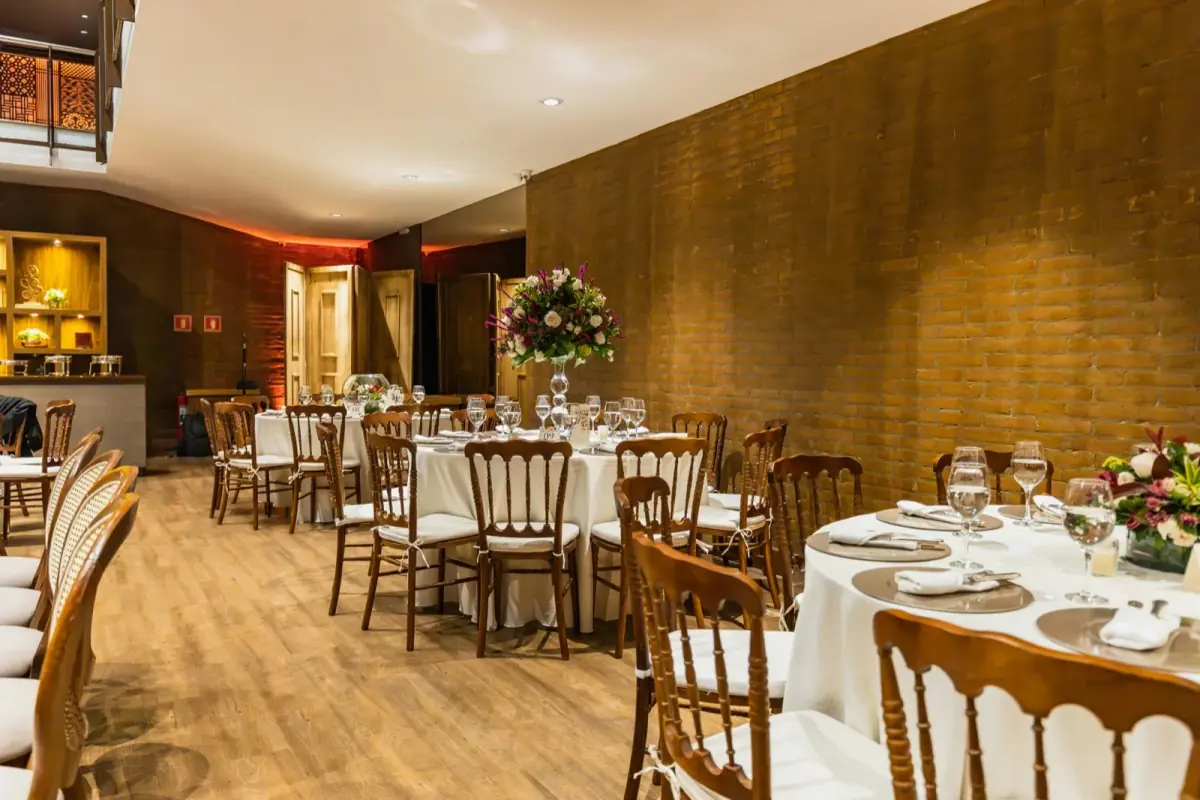
For event-venue live music, the DI vs mic choice is bigger than most engineers admit.
Live music in event venues sits in an awkward place. The band wants to sound like the album. The client wants the music to fit the room without overwhelming conversation. The venue's PA was specified for speech, not for music. The engineer has thirty minutes for sound check during dinner service.
In that environment, the choice between a direct input and a microphone for each instrument matters more than people admit. Here is how we decide.
What each option actually does
A direct input takes the signal straight from the instrument's pickup or onboard preamp and sends it to the mixer. There is no air involved, no room sound, no microphone character. The signal is clean, predictable, and identical between sound check and the show.
A microphone captures the sound of the instrument in the room — usually the speaker cabinet for electric instruments, or the body of the instrument for acoustic ones. The result includes the cabinet's character, the room's character, the player's positioning. It is alive in a way DI is not.
In an album recording, mic'd sounds almost always win because the room is treated and the time is available. In a live event, the equation is different.
DI strengths in event venues
The case for DI in events:
- It is predictable. The signal does not change if the band reseats or the room reflects differently.
- It is feedback-proof. No microphone means no risk of the band's speaker cabinet feeding back into the band's mic.
- It is easy to mix. The engineer has clean source material and shapes it with EQ and processing, without competing with room sound.
- It is fast to set up. No mic positioning, no foam wedges, no isolation issues.
For bass guitar, keyboards, electric piano, and acoustic instruments with onboard pickups, DI is almost always the right answer in an event venue.
Mic'd strengths in event venues
The case for mic'd:
- It captures the actual sound of the instrument as the player has set it up. The cabinet color, the room interaction, the natural distortion — all of that survives.
- It feels more like a band, less like a karaoke track. Audiences hear the difference even if they cannot name it.
- For drums specifically, it is the only way to get a real drum sound. Drum triggers and electronic kits can replace this for some events, but a real kit needs real microphones.
For guitar amplifiers, vocal performances, and acoustic drum kits, mic'd is almost always the right answer.
The hybrid approach
The trick most experienced engineers use is hybrid: DI plus mic, blended at the mixer. For bass guitar, we run a DI for low-end clarity plus a mic on the cabinet for the player's tone. For acoustic guitar, we run the onboard pickup plus a mic on the body. The engineer mixes between them depending on the song and the room.
Hybrid costs an extra input and an extra cable. It almost always pays off, because the engineer can fall back to DI if the mic picks up too much room noise or starts to feed back.
What we do for typical event bands
For a four-piece band at a corporate event — drums, bass, guitar, keys, vocals — our default setup is:
- Drums: full mic'd kit, with kick inside-mic, kick outside-mic, snare top, snare bottom, two toms close-mic'd, two overheads
- Bass: DI plus optional cabinet mic if there is room and the player wants their amp tone captured
- Guitar: cabinet mic, no DI (most electric guitar tone lives in the cabinet)
- Keys: stereo DI, no mic (keyboard cabinets are usually small and uninspiring)
- Vocals: handheld dynamic mics, one per singer, with optional headworn mics for performers who move a lot
That is roughly twelve to fourteen inputs for a four-piece, which fits comfortably on a small live mixer. It also gives the engineer enough flexibility to handle the room — pulling back the cabinet mics if the stage is loud, leaning on DIs if the room is reflective.
The conversation with the band
The band's preferences matter. Some bass players hate DI; some drummers prefer triggers to mic'd kits. We ask before the show what they expect, and we accommodate when the venue allows. The goal is not to argue technical philosophy. The goal is for the band to sound like themselves, with consistency the engineer can rely on across an unpredictable room.
DI is a tool. Mic'd is a tool. Picking the right one for each input is the engineer's job, and the difference between a band that sounds tight at an event and a band that sounds like four separate instruments fighting each other is almost entirely in those choices.