Five lighting cues every gala needs
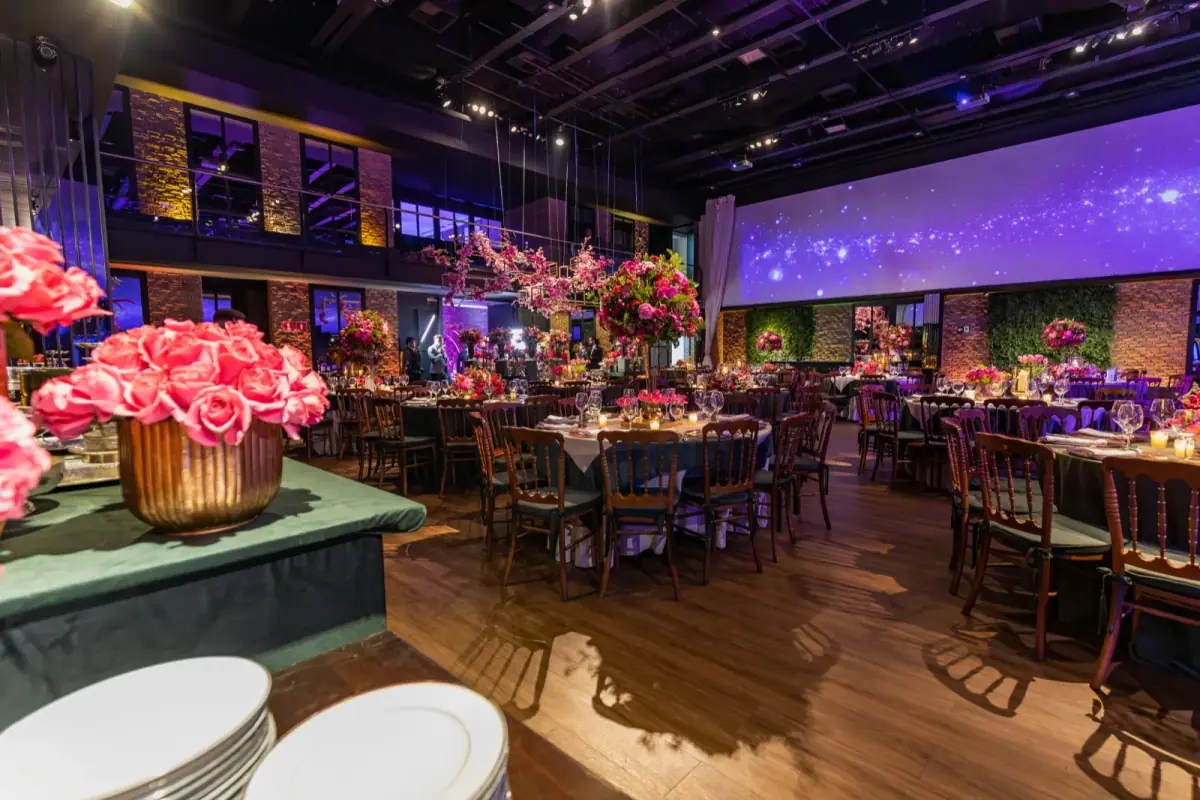
After enough galas you start to see the same lighting decisions over and over. Here is the short list of cues we plan first, every time.
Galas live or die by their lighting. A great room can carry a mediocre program; a great program in a poorly lit room will feel forgettable inside an hour. After enough galas, you start to see the same five lighting moments come up over and over, and you learn that planning them carefully is more impactful than throwing money at additional fixtures.
This is the short list of cues we plan first, before anything else.
The arrival cue
Guests judge the room within five seconds of stepping inside. The arrival cue is the look they see at that moment. It needs to feel intentional, generous, and warm — even if the program color palette is cooler. We almost always run uplights in a saturated brand color around the perimeter, with the table candles lit, the chandeliers dimmed to about 40%, and a soft wash on the stage to draw the eye.
The mistake people make is using the arrival cue as a "lights on" state — bright, neutral, functional. That tells guests it is a meeting. We want it to feel like an event.
The dinner-service cue
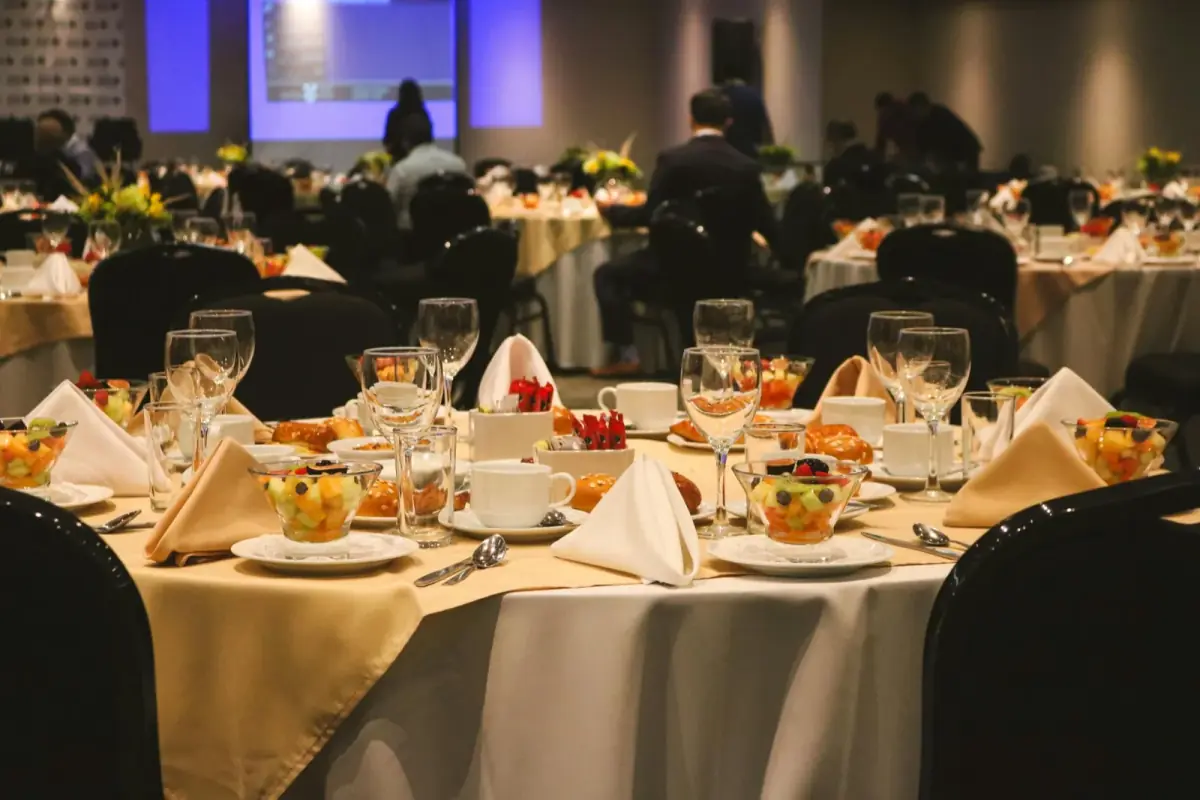
Once everyone is seated, the room needs to do two things at once: stay social and stay flattering. Uplights drop a hair, chandeliers come up a bit so guests can see what they are eating, and the stage wash dims so attention moves to the tables. We add a subtle warm-toned spotlight on each centerpiece if the floral budget allowed for it — those flowers cost real money and lighting is what makes them visible.
We avoid color-shifting cues during dinner service. Guests are eating; nobody wants their salad to keep changing color.
The program-start cue
The first transition from dinner to program is the single most underplayed moment at a gala. Most rooms do it as a slow fade from "dinner" to "program," which is fine but forgettable. We push for a more deliberate gesture: chandeliers come down to 10%, uplights desaturate slightly, the stage lights up with a hard wash, and the music ducks under a single line of MC voice. The guests feel the energy shift, and the program starts with a captive audience.
That cue takes maybe ten seconds and is worth more than any other single lighting moment in the night.
The award-moment cue
Awards have a rhythm. The honoree is announced, they walk to the stage, they accept, they speak, they exit. The lighting needs to match. We program a base "podium" cue with a strong but flattering frontlight on the lectern, light pooling on the floor where the honoree will walk, and color uplights on the stage backdrop. As the honoree begins their walk, we add a subtle follow-light if the room has space for an op, or pre-program a moving fixture if it does not.
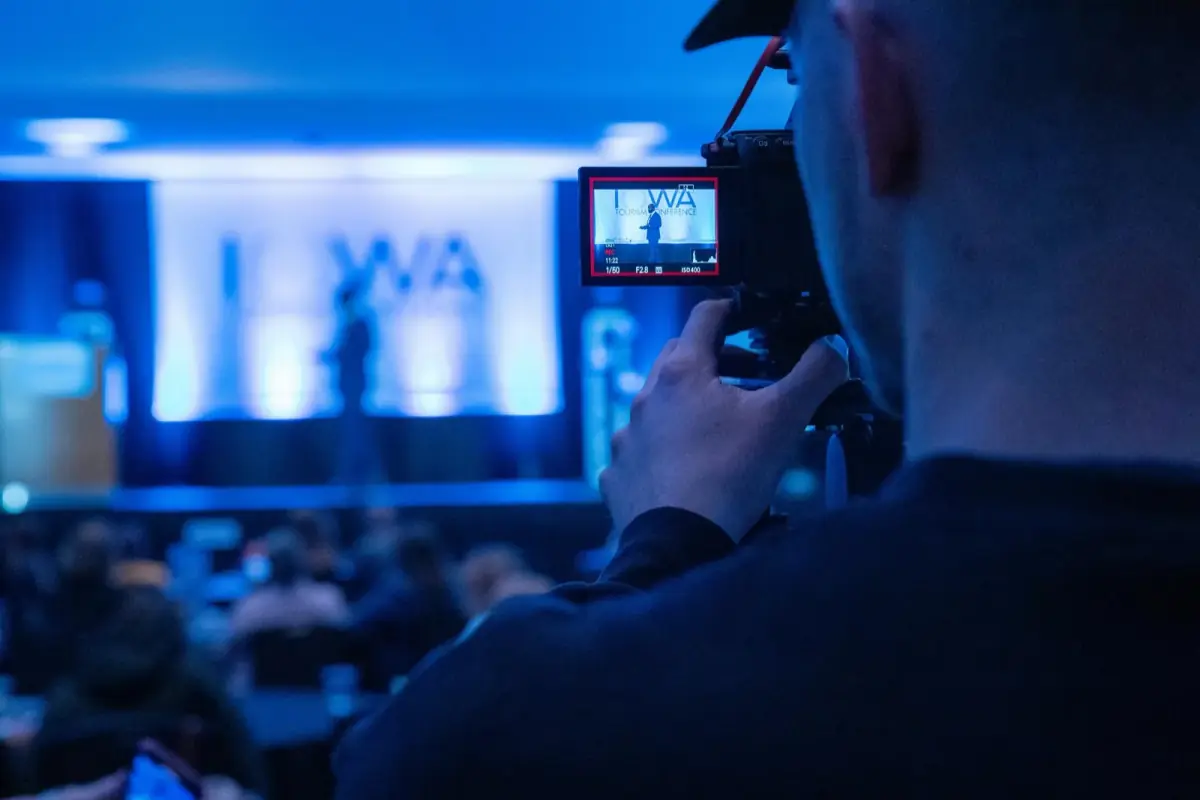
The detail that always matters: the lighting needs to look the same in person and on camera. If the broadcast feed shows a yellow honoree on a blue stage, the photo will be unflattering and the next morning the client will be unhappy. Our LDs adjust color temperature and intensity to match the camera, not the room.
The dance-floor cue
Most galas end with dancing, and the lighting needs to switch personalities completely. We always plan a dramatic transition: chandeliers off or near-off, uplights deeply saturated, the stage cleared, moving fixtures activated. We treat this cue as a small concert; the cocktail look that worked at arrival will not work here.
The mistake people make is keeping the dinner lighting state until "people start dancing." That signals to the room that the night is over. The lighting needs to invite dancing — it needs to look like a different event has begun.
How to brief your LD
A good lighting designer can read a run-of-show and program these cues without much input. A great brief includes:
- The brand color palette in concrete terms (hex codes, not "navy-ish")
- The honoree count and their order
- Whether the program will be livestreamed or recorded
- The dance-floor music style and approximate volume
- A short note for each named program moment that says what you want the room to feel like
That last bullet is the one most clients skip and the one that pays the most. "Make this moment feel reverent" or "I want them to laugh on this transition" gives an LD something to design toward. Without it, every cue defaults to "well-lit," and well-lit is the opposite of memorable.