Color temperature matters: 2700K vs 5600K and the rooms in between

Color temperature is the single most underrated lighting decision. Get it wrong and the room reads cold or sickly; get it right and the room feels intentional.
Color temperature is the single most underrated lighting decision in event production. Most clients have never heard the term. Most lighting designers use a default and move on. But the color temperature of the room is what determines whether the audience feels like they are at a warm evening event or a fluorescent meeting, and the camera will reveal those choices on every photo and every video clip.
Here is how to think about it.
What color temperature actually means
Color temperature describes the color of "white" light, measured in Kelvin. Lower numbers are warmer (more orange and red). Higher numbers are cooler (more blue and white). The reference points are:
- 2700K to 3000K: the warm, golden light of incandescent bulbs and candles
- 3500K to 4000K: the neutral white of standard office overheads
- 5000K to 5600K: midday daylight, slightly bluish
- 6500K and up: heavy overcast, blue-shifted, almost cold
Different fixtures produce different color temperatures. Tungsten stage lights are around 3200K. LED fixtures can be set to any temperature, but they have a native bias depending on the manufacturer.
The point is that there is no neutral. Every choice tells the room a story.
What different temperatures feel like
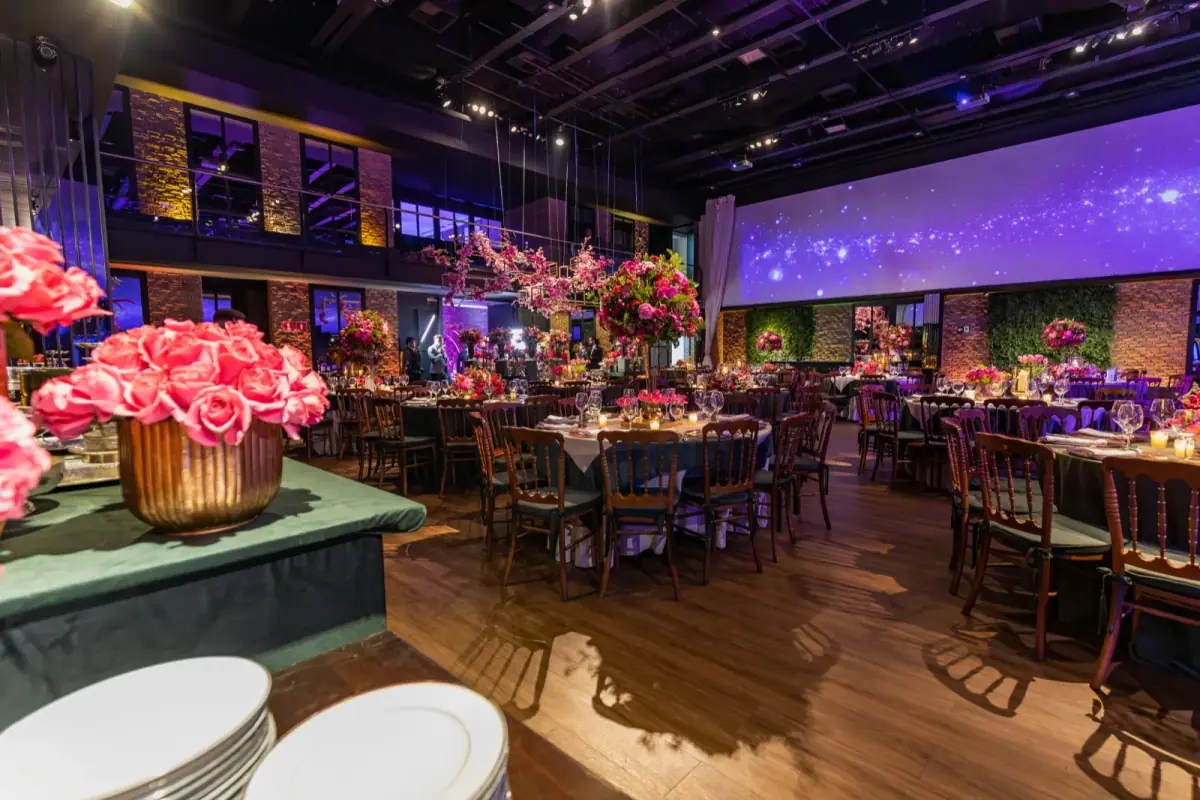
Warmer light feels intimate, relaxing, and human. Skin tones look healthy. Wood and fabric look rich. It is the lighting of dinners, cocktails, and conversations.
Cooler light feels alert, professional, and clinical. Skin tones look paler. White surfaces look brighter. It is the lighting of conferences, presentations, and broadcasts.
Mixed light — some warm sources, some cool sources — feels confused. Skin tones become unpredictable. Photos look hard to color-correct. We avoid mixed color temperatures unless we are doing it on purpose, which we rarely are.
What different temperatures look like on camera
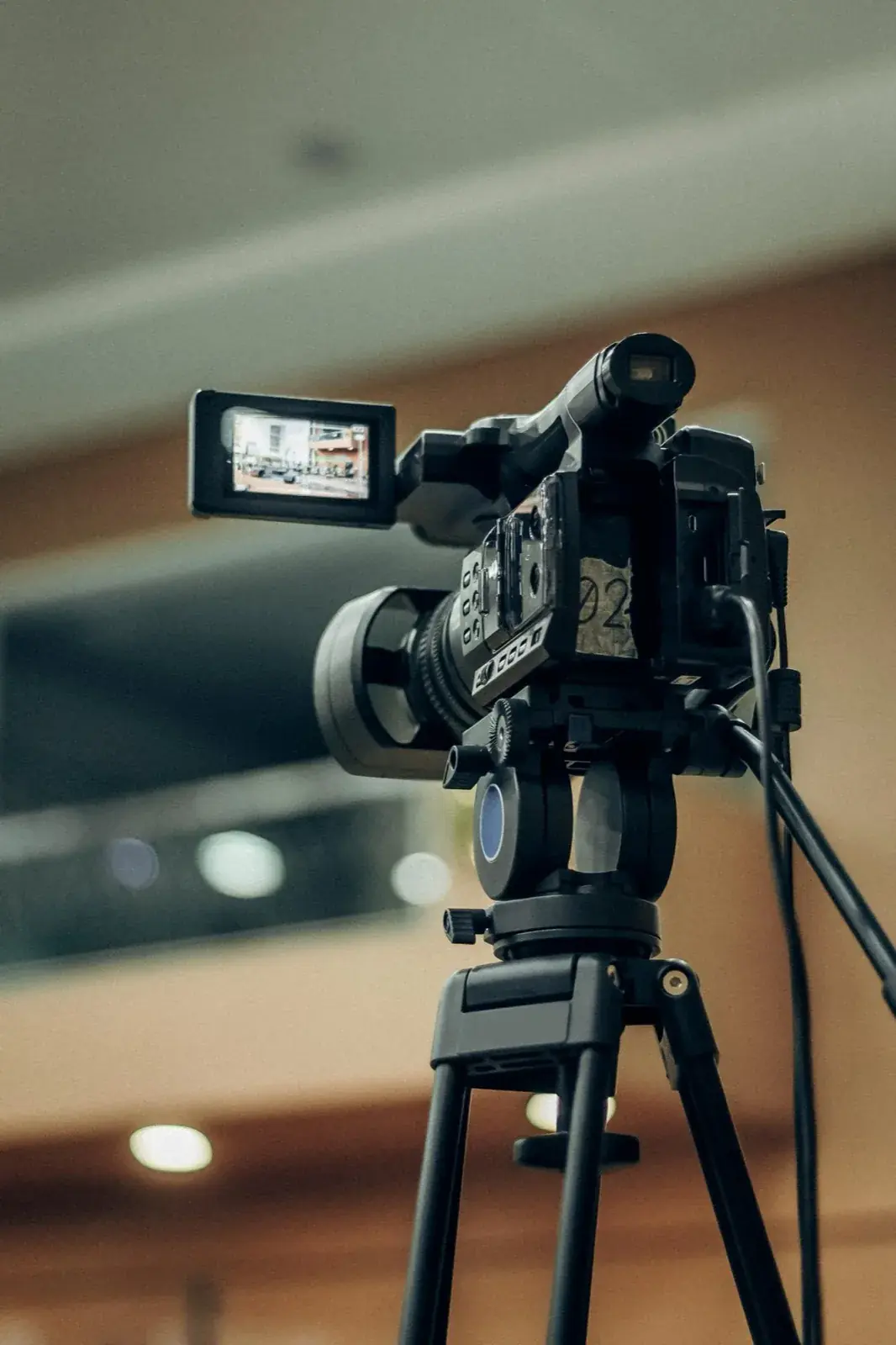
Cameras have a white balance setting, which corrects for the color temperature of the dominant light source. When you set the camera to 3200K, tungsten-lit scenes look neutral and daylight-lit scenes look blue. When you set the camera to 5600K, it is the reverse.
The problem is that most events have mixed light, and a single white balance setting will make some sources look right and others look wrong. The fix is to control all the light sources in the room — including any visible spill from windows or from venue ambient light — and make them match the camera's white balance.
For most photographed events, we plan to 3200K or 4000K. Skin tones look natural, the room reads as warm, and the camera operators have a single target to balance against.
Common mistakes
A few patterns we see often:
- Mixing warm uplights at 2700K with stage washes at 5600K, then wondering why photos look strange. The room feels great in person but the camera sees the seam.
- Trusting the venue's house lighting to be a known color temperature. Most house lighting is somewhere between 3500K and 4500K, but the actual temperature varies fixture to fixture and dimming level to dimming level. We assume nothing and measure.
- Setting LED fixtures to "match daylight" because that is the marketing copy on the box. Daylight on a clear winter afternoon in Chicago is around 5500K. Daylight at sunset is closer to 3000K. "Match daylight" is meaningless without specifying when.
The right brief
When we talk to a client about lighting, the color temperature conversation is short but specific:
- Will there be photos or video, and what will they be used for?
- What does the brand color palette look like under different light?
- Is there a window or skylight that will leak natural light into the room?
- Do you want the audience to feel "energized" or "settled"?
Those answers map to a color temperature recommendation. For a gala dinner with photos, we usually land at 3200K. For a tech conference with video coverage, we usually land at 4000K. For an awards show with broadcast, we usually land at 4500K and very tightly controlled spill.
Color temperature is one of those decisions that nobody notices when it is right and everybody notices when it is wrong. Getting it right is one of the cheapest upgrades a production team can give a client.